
July 2, 2026
Furnace Repair: A Homeowner's How-To Guide for Spotting Problems Early
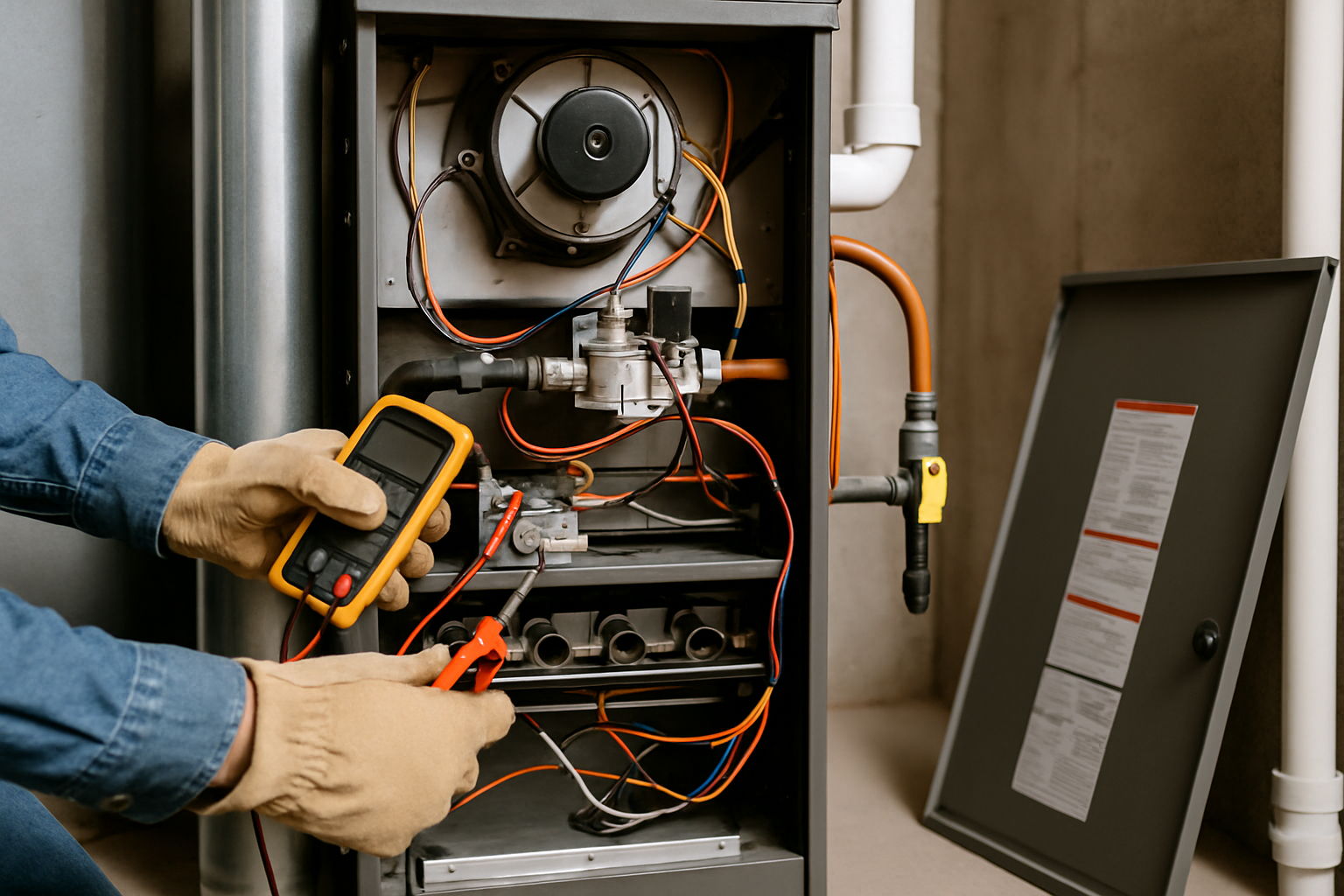
When your furnace starts acting up on a cold Utah morning, you do not have time for guesswork. The good news is that many heating issues give you warning signs before they turn into a full breakdown. If you know what to look for, you can catch problems early, protect your comfort, and make a smarter call about next steps.
This guide walks you through the basics of furnace repair so you can troubleshoot safely, understand common symptoms, and decide when it is time to bring in a pro. If you need help right away, you can always start with our furnace repair team at Wasatch Peak HVAC.
Furnace repair: how to spot the warning signs early
The first clue that something is wrong is often not a total shutdown. It is usually a small change in how your system sounds, smells, or heats. Paying attention early can help you avoid bigger damage and higher repair costs later.
Common signs your furnace needs attention
- Weak airflow from your vents
- Rooms heating unevenly
- Strange noises like banging, rattling, or squealing
- Frequent cycling on and off
- Cold air blowing when heat should be on
- Unusual odors, especially burning or gas-like smells
- A sudden spike in energy bills
If you notice one or more of these issues, do not ignore them. Small mechanical problems can turn into major repairs if the furnace keeps running under stress.
Simple checks to make before you call for service
Not every heating problem means your furnace is broken. A few basic checks can rule out simple issues and save you time. These steps are safe for most homeowners and can help you explain the problem clearly if you need professional help.
What to check first
- Thermostat settings: Make sure it is set to heat and the temperature is higher than the current room temperature.
- Air filter: Replace a dirty filter if it looks clogged. Poor airflow can cause performance problems.
- Breaker panel: Check whether the furnace breaker has tripped.
- Vent registers: Make sure supply and return vents are open and not blocked by furniture, rugs, or curtains.
- Furnace switch: Confirm the power switch near the unit is on.
These quick checks can fix minor issues, but they will not solve everything. If the furnace still will not heat properly after you have done the basics, it is time to move from troubleshooting to professional furnace repair.
When furnace repair is a job for a professional
Some symptoms point to more serious problems inside the system. At that point, it is better to stop troubleshooting and call a technician. Furnace components involve gas, electrical parts, burners, and safety controls, so repairs should be handled carefully.
Call a pro right away if you notice:
- A gas smell near the furnace
- Burn marks, soot, or visible rust around the unit
- The furnace will not stay on
- The blower runs but no heat comes out
- The system trips the breaker repeatedly
- Water around the furnace cabinet
These signs can indicate problems with ignition, heat exchangers, drainage, wiring, or airflow. A qualified HVAC technician can diagnose the issue accurately and recommend the right fix before additional damage occurs.
How to help your furnace last longer after repairs
Once your system is working again, a few habits can reduce the chance of another breakdown. Preventive care is one of the easiest ways to extend the life of your furnace and keep your home more comfortable through the heating season.
Keep up with basic maintenance
- Change filters regularly during the heating season
- Keep the area around the furnace clean and clear
- Schedule annual maintenance before winter
- Listen for new sounds and address them early
- Do not close too many vents, which can strain airflow
Routine maintenance does not just help prevent unexpected repairs. It can also improve efficiency, which may lower utility costs over time. For homeowners in our area, that matters when winter temperatures stay low for weeks at a time.
Know when to schedule furnace repair now instead of later
It can be tempting to wait and see if the problem gets worse, but that approach often costs more in the long run. If your furnace is short cycling, producing uneven heat, or making unusual noises, the safest move is to schedule service before the issue spreads.
Even if the system is still running, a struggling furnace can waste energy and wear itself down faster. Getting ahead of the problem helps you protect your equipment and keeps your home comfortable when you need heat most.
If you are dealing with a heating issue now, reach out to Wasatch Peak HVAC for prompt, local help. We will help you figure out what is going on, explain your options clearly, and get your home warm again with dependable furnace repair service. Start here: furnace repair.